

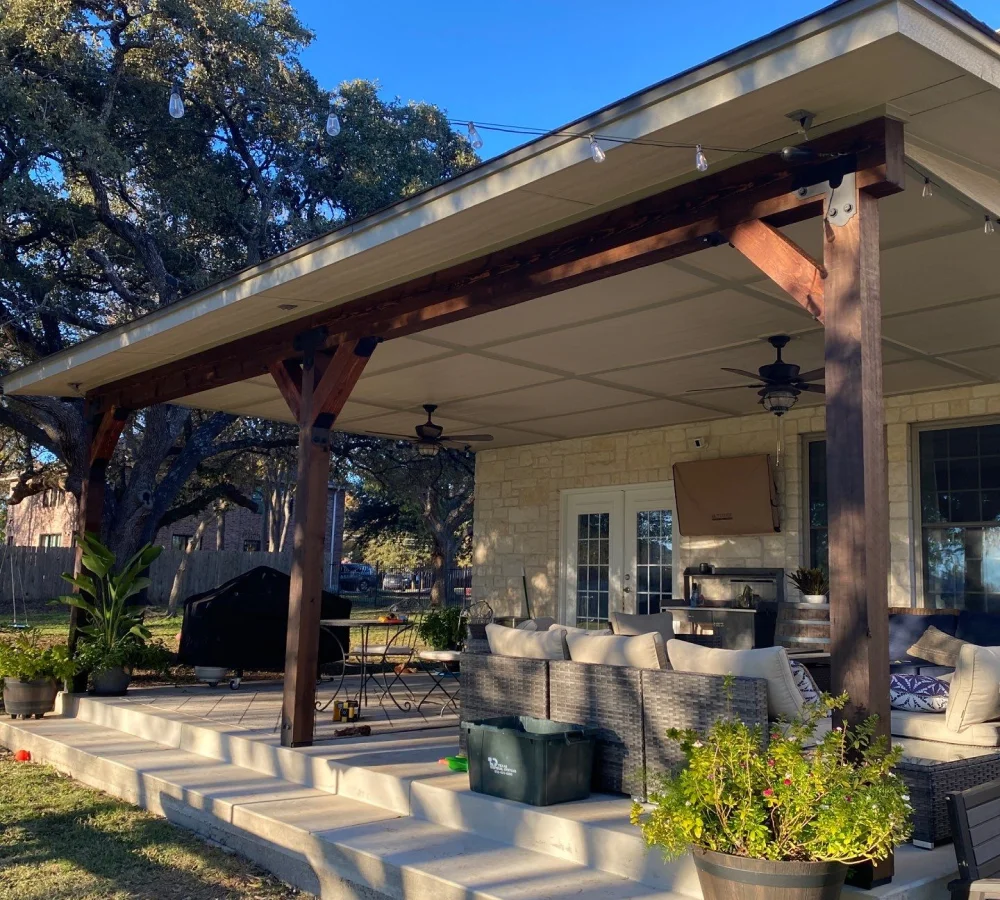
When you start work without the right permits, you may think you are saving time or money at first, but the consequences can affect your safety, your wallet, and your ability to sell your home.
Renovation must include proper permits to avoid legal, financial, and safety issues.
This article explains why permits matter, what can happen when you skip them, and how to avoid common permit problems in Texas.
What Is a Building Permit, and Why Do You Need One?
A building permit is an official document from your city or county that gives you legal permission to do certain types of construction or renovation.
Permits are not just paperwork.
They make sure:
- The work meets local building codes
- Structures are safe and built correctly
- Electrical, plumbing, and structural systems are sound
Most major renovations need a permit. This includes projects that change your home’s structure, electrical system, or plumbing or add new space. Failing to get these permits before work starts is usually a violation of local building laws.
Each city or county in Texas has its own rules about when a permit is needed. Always check with your local building department before you begin a renovation.
Why People Skip Permits
Many homeowners choose not to get a permit for reasons like:
- They think it will slow the project down
- They want to avoid permit fees
- Their contractor says it isn’t needed
These reasons might seem valid at the time, but they could lead to bigger problems.
What Happens If You Start Work Without a Permit?
Avoiding permits might feel easier at first, but many costly and stressful issues can come from it.
You Could Face Fines and Penalties
If a city inspector finds out you did renovation work without the required permit, you could be fined.
Penalties vary by area, but fines can add up quickly. In some cases, local laws allow daily fines until you fix the violation.
This means that a situation that started as a small savings can become a large expense.
You May Be Required to Stop Work
Building departments can issue a stop-work order if they discover unpermitted work.
A stop-work order means:
- You must stop all construction immediately
- You cannot resume until you get the proper permit
This often delays the project and can increase your costs.
Work Might Need to Be Redone or Removed
If your renovation does not meet building codes, an inspector may require changes or removal of the work.
In some cases:
- Walls may need to be opened
- Additions may have to be removed
- Parts of the project may have to be redone to meet safety standards
Trying to get a permit after the fact often requires extra inspections and repairs and may cost much more than getting the permit first.
Your Home Insurance Could Be Affected
Some insurance policies do not cover damage caused by unpermitted work.
If unpermitted renovations cause damage or injuries, the insurance company might refuse a claim.
This could leave you paying for repairs out of pocket.
Selling Your Home Could Be Harder
Unpermitted work must usually be disclosed when selling a home.
Potential buyers may:
- Lose confidence in the property
- Ask for price reductions
- Require permit corrections before closing
A property inspector or appraiser might also refuse to count the improvement in your home’s value if no permit exists.
What Happens If You Try to Get a Permit After Work Is Done?
A “permit after the fact” is possible, but it is not a simple process.
City inspectors may require:
- Opening walls or ceilings
- Additional inspections
- Extra fees
- Work brought up to the current code
Because the work is already done, inspectors often need to verify that everything meets code. This can be disruptive and expensive.
There is usually no statute of limitations for permit issues in many Texas cities. This means if you or a future homeowner applies for another renovation permit, the city might require you to resolve previous unpermitted work first.
What Types of Projects Require Permits?
Not all improvement work needs a permit, but most structural and system changes do.
Projects that often require permits include:
- Home additions and finished basements
- Major kitchen and bathroom renovations
- Structural changes
- Electrical or plumbing upgrades
- Decks that affect safety or access
Smaller updates like painting, flooring, or installing cabinets often do not require a permit. But it is always best to check with your local building office first.
How Do Permits Protect You?
Permits protect more than just local building codes.
They help ensure:
- The work is inspected by professionals
- Important safety standards are met
- You do not waste money resolving hidden issues later
- Your renovation holds its value
Licensed inspectors look for things homeowners or contractors might overlook. Their approval can give you peace of mind that the work is both safe and legal.
What Should You Do Before Starting a Renovation?
Before any major renovation, follow these steps:
- Confirm with your city or county what permits are required
- Talk with your contractor about who will pull the permit
- Check online or call the building department to confirm details
- Plan for inspections at different stages of the project
Documentation and proper approval early in the process can prevent many problems later.
About ET’s Home Renovation and How They Help
ET’s Home Renovation is a residential remodeling company serving homeowners in Kyle, TX, and nearby areas. Their team focuses on thoughtful planning, clear communication, and well-executed renovation work that aligns with local building standards and homeowner expectations.
While permit requirements are handled by local municipalities, working with an experienced renovation team helps homeowners understand when permits may be required and how permit-related considerations can affect timelines, scope, and sequencing. That clarity early in the process can help prevent delays, surprises, or costly corrections later on.
If you are exploring renovation services in Kyle, TX, partnering with a local contractor who values planning and transparency can help you move forward with greater confidence before construction ever begins.